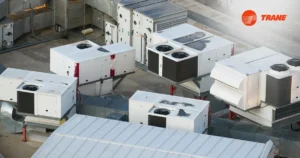
Temperature management is often discussed in the context of cooling, especially in regions with extreme heat. However, for many industries, the ability to maintain stable conditions during colder periods, transitional seasons, or night-time operations is just as critical. In logistics, food distribution, pharmaceuticals, and industrial storage, temperature fluctuations in either direction can compromise safety, quality, and compliance. This is where heating service becomes a vital part of a comprehensive temperature control strategy.
Trane supports organisations that operate across varied climates and operating conditions by ensuring heating systems perform reliably when stability matters most. Heating is not only about comfort. It is about continuity, protection, and control in environments where temperature deviation carries real operational risk.
Why Heating Reliability Matters in Temperature-Sensitive Operations
Many facilities are designed with cooling as the primary focus, but overlook the risks associated with inadequate heating. Warehouses, logistics hubs, ports, and industrial sites often experience wide temperature swings between day and night or across seasons. In these environments, insufficient heating can lead to condensation, material degradation, equipment malfunction, and non-compliance with storage requirements.
For temperature-sensitive goods, even short periods outside approved ranges can result in product loss or regulatory exposure. Heating systems therefore play a critical role in maintaining consistent internal conditions, particularly during winter months, overnight operations, or in high-altitude and desert regions where temperatures can drop sharply.
The Hidden Risk of Temperature Fluctuation
Temperature instability is often more damaging than sustained heat or cold. Rapid fluctuations increase the risk of condensation, which can damage packaging, corrode equipment, and encourage microbial growth in food and pharmaceutical environments.
In logistics and storage facilities, this instability can compromise palletised goods, affect electronics, and shorten shelf life. Heating systems that respond quickly and maintain steady conditions help prevent these risks and protect asset value.
Heating reliability is therefore not optional. It is a key component of risk management for any operation handling sensitive materials.
Cold Chain Integrity and Global Losses
The importance of maintaining stable temperatures across storage and transport is well documented. According to the Food and Agriculture Organization of the United Nations, approximately 14 percent of food produced globally is lost between harvest and retail, with inadequate temperature control during storage and transport cited as a major contributing factor.
Source: https://www.fao.org/3/ca8381en/CA8381EN.pdf
This statistic highlights the broader impact of temperature management failures. While cooling is essential, heating is equally important in preventing cold damage, condensation, and temperature excursions during transport, storage, and handling.
Heating Challenges in Logistics and Storage Environments
Logistics and storage facilities face unique heating challenges that differ from traditional commercial buildings.
Large volumes, high ceilings, and frequent door openings make it difficult to maintain consistent temperatures. Facilities often operate continuously, limiting opportunities for system recovery or shutdown. In addition, many sites are located in exposed areas where external temperature shifts are more pronounced.
Heating systems in these environments must be robust, responsive, and capable of maintaining stability without excessive energy consumption.
How Trane Approaches Heating Reliability
Trane designs heating solutions with a focus on performance, efficiency, and system integration. The objective is not simply to provide heat, but to maintain controlled conditions that support operational requirements.
Trane heating systems are engineered to deliver consistent output across varying loads, respond quickly to temperature changes, and integrate with broader building management systems. This ensures that heating performance aligns with operational priorities rather than reacting after issues arise.
Supporting Facilities That Operate Around the Clock
Many industries operate on a 24 hour cycle. Ports, distribution centres, manufacturing plants, and cold chain facilities cannot pause operations when temperatures drop.
Heating systems must therefore be reliable, easy to maintain, and supported by professional service. Planned maintenance, monitoring, and rapid response capability are essential to prevent unplanned outages during critical periods.
Trane supports these environments by combining engineered systems with service strategies that prioritise uptime and predictable performance.
The Role of Heating in Transport and Temporary Storage
Temperature control does not stop at the facility boundary. Goods often move through multiple stages of transport and temporary storage before reaching their destination.
During these stages, exposure to cold conditions can be just as damaging as heat exposure. Heating systems help maintain acceptable internal conditions during loading, unloading, staging, and overnight storage.
This is particularly relevant for operations that rely on temporary or modular storage solutions, where permanent infrastructure may not be available.
Energy Efficiency and Cost Control
Heating represents a significant portion of energy use in many facilities, particularly during colder months. Inefficient systems increase operating costs and undermine sustainability objectives.
Modern heating solutions incorporate advanced controls, variable output, and system optimisation to deliver required performance without unnecessary energy use. By matching heating output to actual demand, facilities can maintain stability while controlling costs.
Trane’s approach balances reliability with efficiency, ensuring that heating systems support both operational and financial goals.
Heating as Part of a Year-Round Strategy
Temperature management should be approached holistically. Heating and cooling systems must work together to maintain stable conditions throughout the year.
Facilities that plan heating as an integral part of their overall temperature control strategy are better positioned to manage seasonal transitions, night-time temperature drops, and unexpected weather events.
This integrated approach reduces stress on systems, improves asset longevity, and enhances overall resilience.
Service and Maintenance as Risk Mitigation
Even the most robust heating systems require ongoing attention. Components wear over time, controls drift, and performance can degrade if issues are not addressed proactively.
Professional heating service ensures systems are inspected, maintained, and optimised before problems escalate. This reduces the likelihood of failure during critical periods and extends equipment lifespan.
Preventive service is therefore not just a maintenance task. It is a risk mitigation strategy that protects operations and investments.
Protecting Temperature-Sensitive Assets
Facilities handling food, pharmaceuticals, chemicals, and specialised materials face strict requirements around temperature control. Heating systems play a critical role in preventing cold damage, maintaining compliance, and ensuring product integrity.
Stable heating supports quality assurance, reduces waste, and protects brand reputation. In regulated industries, it also helps organisations meet audit and reporting requirements.
Adapting to Changing Conditions
Climate variability is increasing. Facilities that were once exposed to mild winters now experience colder extremes, while regions with traditionally stable temperatures face greater volatility.
Heating systems must be adaptable to these changes. Flexible design, scalable capacity, and responsive controls allow facilities to adjust without major infrastructure changes.
This adaptability is essential for long-term resilience.
Planning for Business Continuity
Heating failures can be as disruptive as cooling failures. Frozen systems, damaged goods, and unsafe working conditions can halt operations quickly.
Incorporating heating reliability into business continuity planning ensures that organisations are prepared for a wider range of scenarios. This includes preventive maintenance, contingency planning, and access to professional service support.
Trane supports this planning by aligning system design and service strategies with operational risk profiles.
Conclusion
Stable temperature control is essential for protecting assets, maintaining compliance, and supporting continuous operations. Trane delivers Heating Service solutions that help organisations maintain control during colder conditions, transitional seasons, and periods of temperature volatility.
For operations that depend on modular and mobile storage solutions, effective heating also supports the safe use of Refrigerated Containers, ensuring that goods remain protected and temperature stability is maintained across every stage of storage and transport.